Efficient Lake Management: Techniques for Sustainable Water Resources
Successful lake management is crucial for preserving water resources and protecting aquatic ecosystems. This involves understanding the intricate relationships within lake environments and recognizing the multiple threats they face. By employing innovative strategies and fostering community participation, stakeholders can execute effective solutions. However, the challenge lies in balancing human activity with environmental preservation. Exploring the multifaceted approaches to lake management may reveal key insights into ensuring these important resources persist for future generations.

Recognizing the Importance of Lake Ecosystems
Although often overlooked, lake ecosystems serve a crucial function in upholding biodiversity and supporting different varieties of life. These aquatic systems operate as habitats for a multitude of species, including fish, amphibians, invertebrates, and aquatic plants, each supporting the ecological balance. Lakes also work as valuable water sources for nearby terrestrial environments, influencing local climates and supporting wildlife.
Furthermore, lakes facilitate nutrient cycling, filtering pollutants and providing crucial resources for both aquatic and terrestrial organisms. Their presence can improve recreational activities and support local economies through tourism and fishing.
The complex linkages of lake ecosystems with rivers, wetlands, and uplands highlights their critical role in regional biodiversity. Preserving these ecosystems is essential for sustaining the countless life forms that rely on them and ensuring the health of the adjacent environment. Strategic management practices can help copyright the integrity of these valuable ecosystems for future generations.
Spotting Typical Risks to Lakes
As human actions keep expanding, multiple risks to lake ecosystems have developed, compromising their health and sustainability. One major threat is nutrient pollution, mainly from agricultural runoff, which produces harmful algal blooms. These blooms can lower water quality and disrupt aquatic life. Additionally, urbanization causes habitat loss and increased sedimentation, which can blanket native species and alter food webs. Invasive species also represent a considerable risk, as they can outcompete local flora and fauna, leading to lowered biodiversity. Climate change aggravates these issues, causing shifts in temperature and precipitation patterns that affect water levels and ecosystem dynamics. Additionally, overfishing can exhaust key species, disrupting ecological balance. Collectively, these threats underscore the urgent need for effective management strategies to conserve and protect lake ecosystems for future generations. Recognizing these challenges is essential for developing sustainable practices that support the resilience of these critical water resources.
Advanced Methods to Contamination Oversight
Creative strategies to pollution control are essential for the health of lakes. Strategies such as bioremediation, source control systems, and community engagement initiatives are progressively being recognized for their effectiveness. These strategies aim to lower pollutants at their source while actively engaging local populations in conservation efforts.
Bioremediation Approaches
Bioremediation techniques represent a forward-thinking approach to managing pollution in lake ecosystems. These methods utilize living organisms, particularly microorganisms, to degrade environmental contaminants and restore water quality. Through leveraging biological mechanisms, bioremediation successfully tackles problems including nutrient excess, metallic contamination, and organic toxins. Approaches including phytoremediation, which utilizes plant species to extract contaminants, and bioaugmentation, which incorporates specialized microbial communities to boost breakdown, have gained momentum lately. Additionally, bioremediation is often favored for its cost-effectiveness and minimal environmental disturbance compared to traditional remediation methods. Successful implementation requires careful assessment of the specific contaminants and environmental conditions, ensuring that the chosen strategy aligns with the lake's ecological balance and long-term sustainability goals.
Source Control Approaches
A successful strategy for pollution management involves adopting source control methods that proactively reduce the introduction of contaminants into lake ecosystems. These methods focus on stopping pollutants at their source, reducing the need for remedial actions later. Examples include the development of green infrastructure, such as rain gardens and permeable pavements, which help to capture and filter stormwater runoff. Additionally, regulations designed to limiting agricultural runoff, such as nutrient management plans, play a crucial role in maintaining water quality. Industrial discharges can also be controlled through best practices and treatment technologies that minimize harmful emissions. By focusing on source control, stakeholders can improve the resilience of lake ecosystems, supporting sustainability and safeguarding aquatic health for future generations.
Community Engagement Initiatives
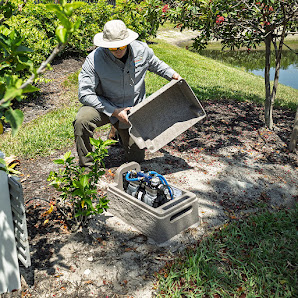
Although source control methods lay the groundwork for successful pollution mitigation, community engagement initiatives serve a crucial role in cultivating a collective responsibility toward lake health. These initiatives frequently include educational programs, volunteer clean-up events, and partnerships with local organizations. By including residents, stakeholders can cultivate a sense of ownership over local water resources, encouraging sustainable practices. Workshops on pollution prevention and the importance of biodiversity can increase public awareness, inspiring individuals to adopt eco-friendly behaviors. Moreover, citizen science projects permit community members to monitor lake conditions, supplying valuable data to inform management strategies. Finally, such engagement not only empowers individuals but also builds community bonds, resulting in more successful and lasting pollution management efforts.
Methods for Managing Invasive Species
Successful tactics for mitigating invasive species are critical for maintaining the ecological balance of lakes. Timely discovery and quick action initiatives play a vital role in handling potential invasions before they gain a foothold. Regular monitoring of water bodies, coupled with community outreach programs, notifies the public about the identification and reporting of invasive species. Applying strict regulations on the transport of aquatic plants and animals reduces the risk of introduction from external sources.
Furthermore, advocating for the use of native species in landscaping and restoration projects bolsters the natural ecosystem, minimizing the likelihood of invasive species flourishing. Education campaigns directed at boaters and anglers can boost awareness related to cleaning equipment and preventing cross-contamination. Collaborating with local organizations and stakeholders can foster a unified approach to invasive species management, guaranteeing that resources are used efficiently. Through these unified efforts, lakes can be shielded against the adverse impacts of invasive species.
Adapting to Climate Change for Healthy Lakes
As climate change continues to impact ecosystems globally, modifying lake management practices is crucial for preserving their health and biodiversity. Elevated temperatures and changed precipitation patterns can cause changes in water levels, nutrient cycling, and species composition. To confront these challenges, lake managers must employ strategies that improve ecosystem resilience. This includes monitoring water quality parameters, such as temperature and nutrient levels, to detect shifts that may jeopardize aquatic life.
Moreover, restoring native vegetation along shorelines can help lessen erosion and better habitat for wildlife. Building adaptive management frameworks that enable flexible responses to emerging climate threats is also essential. Collaborative research initiatives centered on climate impacts can guide policy adjustments and encourage sustainable practices. Ultimately, a proactive approach to climate change adaptation will safeguard that lakes remain essential resources for explanation biodiversity and human communities alike.
Involving Local Communities in Lake Preservation
Engaging communities in lake conservation is crucial for fostering a sense of ownership and responsibility toward local ecosystems. When local residents engage with conservation efforts, they become more committed to the health of their lakes. Educational programs can play an important role in raising awareness about the significance of lakes and the threats they face. Workshops and volunteer events, such as clean-up days or native planting initiatives, can empower community members to take direct action.
Strategic alliances between local governments, nonprofit organizations, and community organizations can additionally strengthen engagement. By collaborating on initiatives and sharing resources, these entities can create a cohesive approach to lake conservation. Furthermore, integrating wide-ranging community voices in the decision-making process confirms that conservation strategies embody the priorities and values of the local population. In the end, community engagement not only reinforces conservation efforts but also cultivates a culture of stewardship for the generations ahead.
Assessing Results: Measurement and Analysis Approaches
Community involvement in lake conservation results in the need for effective monitoring and assessment strategies to determine the effectiveness of these efforts. Reliable measurement strategies include water quality testing, biodiversity evaluations, and the assessment of habitat conditions. Regular sampling of water parameters such as pH, dissolved oxygen, and nutrient levels offers critical data on ecosystem health. Moreover, employing biological indicators, such as macroinvertebrate populations, provides insights into overall aquatic life balance.
Remote sensing methods, like satellite imagery, can also aid in monitoring changes in land use and water clarity over time. Locally-based data collection initiatives give power to local stakeholders, promoting a sense of ownership and responsibility towards lake management. By systematically analyzing obtained data, stakeholders can identify trends, assess the success of conservation strategies, and make informed decisions. In the end, these monitoring and assessment approaches serve as essential tools for maintaining the sustainable health of lake ecosystems.
FAQ
What Are the Steps to Report Pollution in My Local Lake?
To file a report about pollution in a local lake, residents must get in touch with local environmental authorities or agencies, supplying specific details about the source and location of the pollution. Documentation, such as pictures or accounts, can help with the investigation.
What Are the Indicators of a Healthy Lake Ecosystem?
Signs of a robust lake ecosystem include transparent water, rich aquatic life, well-regulated nutrient levels, abundant vegetation, and constant water temperatures. These markers reflect a well-functioning environment, nurturing both plant and animal populations successfully.
Can You Find Grants for Lake Conservation Projects?
Several grants are accessible for lake preservation projects, frequently supplied by public agencies, nonprofit organizations, and environmental foundations. These financial resources usually aim to advance sustainable practices that strengthen water quality and habitat restoration.
How Regularly Should Lake Health Assessments Be Conducted?
Lakes require monitoring for health assessments at least yearly, with heightened evaluations during critical periods or after significant environmental changes. Ongoing monitoring helps guarantee the ecosystems remain balanced and addresses any new challenges without delay.
What Role Do Local Governments Play in Lake Management?
Local government bodies fulfill a crucial purpose in lake management by setting up regulations, carrying out monitoring programs, facilitating community engagement, and ensuring sustainable practices. Their active role promotes environmental protection and preserves the health of local water resources.